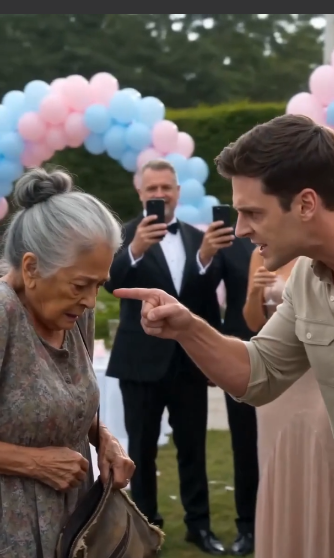
The laughter had been a cacophony of cruel, sharpened edges, echoing off the manicured hedges and the pristine surface of the pool. To the parents, the grandmother’s presence was a smudge on their curated digital legacy—a “poverty-stricken” relic that didn’t fit the color palette of their expensive, drone-filmed milestone. When the mother tossed the hand-knitted baby booties into the water, she didn’t just throw away a gift; she threw away the last shred of human decency the family possessed.
The grandmother, Martha, didn’t weep. She didn’t shout. She simply watched the booties sink into the chlorinated blue, a small, sad anchor for a family that had lost its way. She reached into her bag, not for a tissue, but for a heavy, cream-colored envelope that seemed to glow with a quiet, lethal weight in the afternoon sun.
“You speak of ‘trash’ ruining your video,” Martha said, her voice cutting through the festive music like a blade. “You speak of ‘poverty’ as if it’s a contagious disease. But you’ve forgotten one thing: you don’t own this space. You were merely guests I allowed to stay.”
She pulled out the deed. The document was an old, ironclad instrument of ownership, meticulously filed and notarized. As she held it aloft, the wind caught it, making it snap like a flag of war.
“This entire farm—every acre, every outbuilding, and yes, even this swimming pool you’re so proud of—has been in my name since your grandfather passed,” she continued, her eyes locking onto her daughter-in-law’s face. “The trust you thought you were living off of? I officially dissolved it this morning. You are not heirs. You are squatters.”
The party didn’t just stop; it died. The drone pilot, hovering overhead, landed the craft in a panic, the silence suddenly thick enough to taste. The mother’s face, previously bright with performative joy, went the color of ash. Her mouth opened and closed, but no sound came out—only the frantic, animal fear of realizing the floor beneath her feet had turned into thin air.
“Ten minutes,” Martha repeated, her tone matter-of-fact, as if she were reading a grocery list. “Clear your expensive decorations, your hired servers, and your cameras. If you aren’t off this property by the time the sun hits that oak tree, I will have the sheriff escort you out for trespassing. And don’t bother asking for the keys to the guest house—I’ve already changed the locks.”
She turned and began walking back toward the farmhouse, her gait steady and sure. Behind her, the “lavish charade” imploded. Guests began to scramble, their high heels sinking into the mud as they abandoned their champagne flutes and designer bags. The parents stood frozen, the reality of their homelessness—a future they had built entirely on the back of the woman they had just bullied—crashing down on them.
Martha didn’t look back. She entered her kitchen, made a cup of tea, and sat by the window. She had spent years watching them play house in her home, waiting for the moment their own vanity would become their undoing. She hadn’t just reclaimed a property; she had reclaimed her dignity.
